The gallery sits at the edge of one of the most remote stretches of highway in South Florida, nearly hidden by the kind of landscape most people drive past without stopping. Big Cypress Gallery is not a commercial district anchor or a tourist strip fixture. It is a working studio, a print gallery, and an argument - made in silver and shadow - that the Florida wilderness is worth looking at slowly. For anyone following the arts culture of Southwest Florida, understanding this gallery means understanding why one of the most decorated nature photographers in American history chose a swamp as his permanent base of operations.
From Architecture to the Everglades
Clyde Butcher was born in Kansas City, Missouri, in September 1942. He had a nomadic childhood before his family settled in Southern California when he was eighteen. His original academic path was architecture, which he studied at California Polytechnic State University in San Luis Obispo. The discipline of spatial composition and structural proportion that comes with that training is visible in his later photographic work, where the relationship between foreground, middle ground, and sky carries the kind of weight usually associated with built environments rather than natural ones.
By 1970, Butcher had committed to photography as his primary work. Through the 1970s he operated largely in the California landscape tradition, working in color and showing at outdoor art festivals. When he relocated to Florida in 1979, that festival circuit was his first economic foothold in the new state. It was a practical start, not a permanent direction.
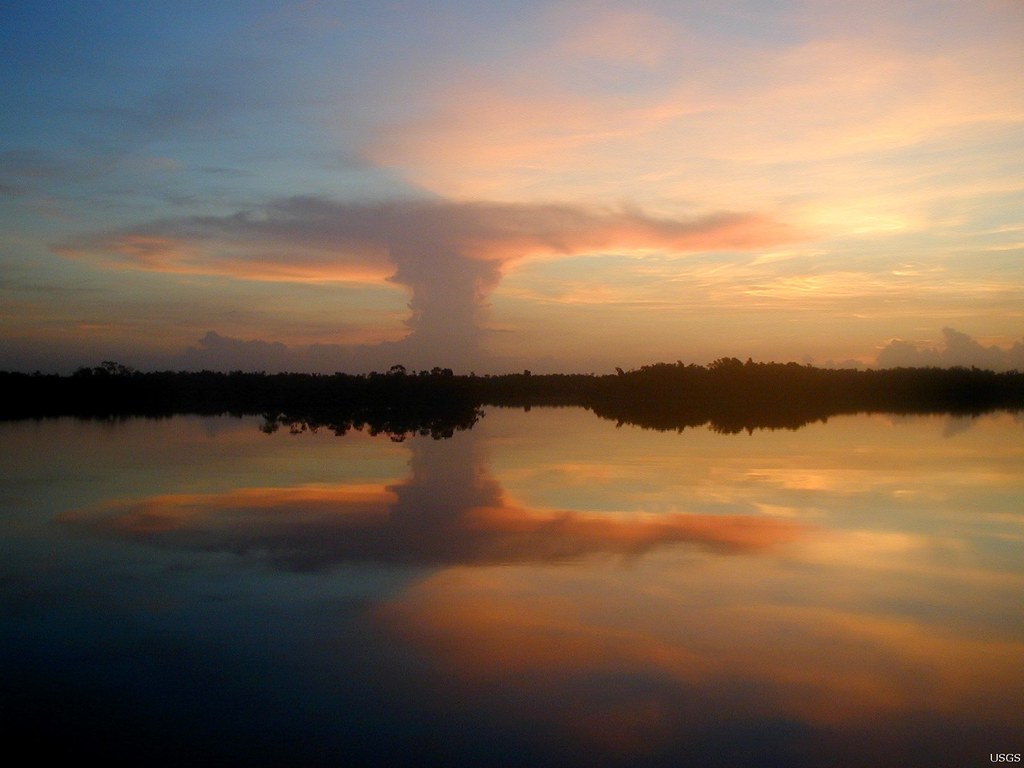
The Turning Point: Ted Butcher and the Decision to Work in Black and White
In 1986, Butcher's seventeen-year-old son Ted was killed by a drunk driver at the intersection now known as Colonial Boulevard and Six Mile Cypress Parkway in Fort Myers. The loss was the kind that reorders everything around it. Butcher stopped working in color entirely. He has spoken of the period after Ted's death as one of deep grief, and of the Florida wilderness as the space where that grief eventually found form.
The first black-and-white image he made in the Everglades after Ted's death was a photograph called Moonrise. That image is considered the threshold work of his mature career - the moment his direction became definitive. The scale, patience, and emotional weight that characterize his best-known prints trace back to that photograph and the circumstances that produced it.
The choice to abandon color was not a stylistic preference or a nod to photographic tradition. It was a response to grief. Black and white removes the easy beauty of a tropical landscape - the turquoise water, the green canopy, the golden light - and demands that the viewer sit with structure, texture, and tone. Butcher's work in the Everglades and Big Cypress asks for that sustained attention.
Big Cypress Gallery: What Visitors Find
The gallery is located on US-41, the Tamiami Trail East, in Ochopee, Florida. It sits roughly 47 miles east of Naples and about 36 miles west of Miami, surrounded by more than a million acres of Big Cypress National Preserve. The property itself covers 13 acres. The building functions simultaneously as studio, gallery, and the operational center of a small but internationally recognized photographic practice. The gallery is open seven days a week - check the gallery website for current hours before making the drive.
Scale and Presentation
The prints on display range from works sized for conventional framing up to pieces measuring five feet by nine feet. The largest prints occupy wall space the way paintings in major museum collections do - they are not decorative objects but immersive presences. Butcher shoots exclusively with large-format view cameras in 8x10, 11x14, and 12x20 inch formats. These cameras capture an amount of detail and tonal depth that smaller formats cannot match, which is precisely what enables the large finished prints to hold up at close viewing distance.
What distinguishes the Big Cypress location from most commercial galleries is that it functions as a genuine studio. The photographic work originates here, in the landscape immediately surrounding it. Visitors are not looking at prints that were made somewhere else and shipped in. The swamp visible from the gallery windows is the same swamp in the photographs on the walls.
On-Site Accommodations
The gallery property includes cottage accommodations marketed as Swamp Retreats. These are available year-round for visitors who want more time in the preserve than a day trip allows. Staying on site puts visitors within the preserve at dawn and dusk - the light conditions most relevant to understanding why Butcher works where he does.
The Swamp Walks: Photography as Immersive Experience
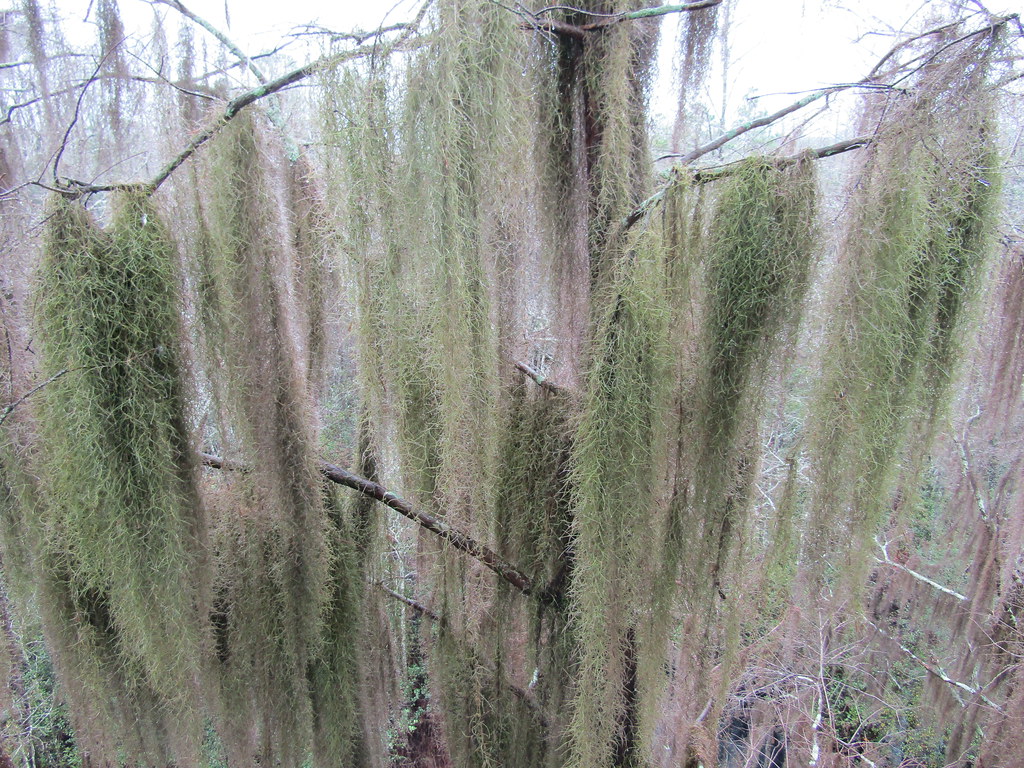
From October through March, the gallery offers private guided swamp walk eco-tours through a section of Big Cypress National Preserve. The tours run approximately two hours and are conducted wading through water, not on established trails, which accounts for the pace and duration.
Per-person fees apply for the regular guided tours; check the gallery website for current pricing and availability. Separately, the gallery hosts an annual SWAMP Wander community fundraiser event - typically held in October - where walks are led by Friends of Big Cypress National Preserve volunteers and proceeds benefit S.W.A.M.P., the Swamp Water And Me Program, a curriculum-based science program for sixth-grade students in Collier County Public Schools and several private and charter schools. For current walk schedules, fees, and details on upcoming fundraiser events, the gallery's official website is the definitive source.
What Participants Actually Do
- Wade through preserve water alongside a trained guide
- Move slowly through cypress stands and open slough areas
- Observe the specific visual conditions - light, reflection, texture - that appear in Butcher's prints
- Learn about the ecology of Big Cypress from guides affiliated with the preserve
- Bring and use their own cameras; photography is encouraged throughout
The swamp walk is not a photography class and does not include instruction on camera technique. Its value is experiential - it places the viewer inside the subject matter of the gallery. Someone who has waded through Big Cypress looks at Butcher's prints differently afterward.
The Prints: Edition Structure and What It Means for Collectors
Butcher produces limited-edition silver gelatin archival prints. Silver gelatin is a wet darkroom process, not a digital inkjet output. The process involves enlarging a large-format negative onto light-sensitive paper under controlled conditions, then processing the print through chemical baths. The archival designation means the materials and process are selected for long-term stability - properly stored silver gelatin prints have documented lifespans measured in generations.
How to Think About Edition Structure
The edition structure on limited prints matters to anyone approaching a purchase as a long-term investment or a collecting decision. Here is the sequence a prospective collector should work through when evaluating a print:
- Identify the specific image and confirm its edition size with gallery staff - smaller editions carry greater scarcity value over time.
- Ask for the current edition number on the print being offered - knowing where in the edition a given print falls is standard practice in limited photography collecting.
- Confirm the print size, since the same image may be available in multiple sizes at different price points.
- Request documentation of the archival process and materials used for the specific print, and retain the certificate of authenticity that accompanies each purchase - it is essential for insurance and eventual resale.
The price range across Butcher's available prints is wide - from entry-level acquisitions accessible to first-time buyers to major investment-level works at substantially higher figures. The gallery website and staff are the accurate source for current pricing across the full range; any figure in secondary sources may be outdated.
The photograph that matters most is the one that stops you when you are standing in front of the actual print at scale. Edition numbers and investment logic are secondary to that recognition.
The Venice Gallery: A Second Location with a Different Character
Butcher's second Florida gallery is located on Warfield Avenue in Venice, on the Gulf Coast well north of Naples. Where Big Cypress is remote and immersive, the Venice location operates more like a conventional gallery in an established arts community. It is open Tuesday through Friday with limited hours and by appointment on weekends - considerably more constrained than the daily schedule at Big Cypress. Check the gallery website for current hours before making the trip.
The two locations serve different purposes and attract different visitors.
| Feature | Big Cypress Gallery | Venice Gallery and Studio |
|---|---|---|
| Setting | Preserve wilderness, US-41 | Gulf Coast arts community |
| Days open | Seven days a week | Tuesday-Friday; weekends by appointment |
| Swamp walks | Yes, seasonal (Oct-Mar) | No |
| Overnight stay | Yes - Swamp Retreats on site | No |
| Print scale available | Full range including largest works | Suited to smaller and mid-size acquisitions |
| Best suited for | First visit, immersive day or overnight | Follow-up visit, Venice-area collectors |
Travelers based in Sarasota or Charlotte County will find the Venice location more logistically convenient. Travelers whose primary interest is the connection between the photographs and the landscape should make the drive to Big Cypress. For a first encounter with Butcher's work at scale, and for anyone whose trip includes the swamp walk, the Tamiami Trail drive is the one to plan.
His Standing: Honors, Museum Collections, and Conservation Work
Butcher was inducted into the Florida Artists Hall of Fame in 1998 - the highest cultural honor the state of Florida confers on artists. In 2024 he received the National Medal of Arts at a White House ceremony - it is the highest arts honor given by the United States government. He has also received the Sierra Club's Ansel Adams Award and a Lifetime Achievement Award in Nature Photography from the North American Nature Photography Association.
Museum Collections and Exhibitions
Florida institutions that hold or have exhibited his work include:
- Florida Gulf Coast University in Fort Myers, which holds prints in its collection
- Boca Raton Museum of Art
- Lowe Art Museum in Miami
Traveling exhibitions have appeared at the Museum of Florida History in Tallahassee, the Brevard Museum of Art and Science, and institutions nationally. That exhibition history informs how the gallery positions and prices the work - collectors are buying into a documented institutional record, not simply a popular landscape print.
Conservation Advocacy
Butcher has used his public platform consistently to address threats to the land his work documents. In 2025, when a large immigration detention facility referred to publicly as "Alligator Alcatraz" was established at a remote airfield within the Big Cypress region, Butcher spoke out against it. His opposition was not incidental - for a photographer whose studio sits surrounded by the preserve, the integrity of that landscape is not separable from the work. No other prominent artist in Southwest Florida operates at the intersection of creative output and direct advocacy for the specific landscape that defines their entire practice.
Planning a Visit
The drive to Big Cypress Gallery from Naples follows US-41 east into Collier County and then into the preserve corridor. The road is two lanes for most of the stretch east of Naples. There are limited fuel and food stops between the edge of Naples and the gallery - arriving with a full tank and anything needed for the day is practical rather than optional.
What to Prepare Before You Go
- Confirm current gallery hours on the official website before traveling - hours can vary seasonally
- Print viewing requires no appointment for walk-in visitors; swamp walk spots should be reserved in advance
- Swamp walk footwear matters - closed-toe shoes that can get wet are necessary; sandals are unsuitable
- Serious collectors should contact the gallery ahead of a visit to ask about edition availability for specific images
- Overnight cottage bookings should be arranged through the gallery website before the trip
For the Venice location, the gallery website lists current open hours; weekend visits require an appointment. The Venice gallery is a reasonable stop for visitors already in the Sarasota-Venice corridor, but it cannot replicate the experience of standing inside the landscape that fills every print on the gallery's walls. That experience belongs exclusively to Big Cypress.
Frequently Asked Questions
Do I need to book the swamp walk in advance?
Yes - advance reservation is strongly recommended. The tours run only from October through March, group sizes are limited, and popular dates fill well ahead of the season. The gallery website has current booking information and availability. Walk-in gallery visits require no reservation.
Can children participate in the swamp walks?
Younger participants are admitted at reduced rates or free below certain age thresholds depending on the tour. The gallery website specifies the current age policy and any physical requirements. Because the walks involve extended wading in standing water, confirming suitability for specific children before booking is worth doing directly with the gallery.
Are the prints sold at the gallery available anywhere else?
Limited-edition silver gelatin prints are available through both the Big Cypress and Venice gallery locations and through the gallery's official website. Secondary market listings exist, but purchasing directly from the gallery ensures current edition documentation, accurate pricing, and a verifiable certificate of authenticity - all of which matter for insurance and future resale.
How long should I plan for a full visit to Big Cypress Gallery?
Without a swamp walk, two to three hours is enough to view the gallery and the property at a reasonable pace. Add approximately two hours for the walk itself plus time before and after. An overnight stay at the Swamp Retreats is worth considering for visitors traveling from outside Southwest Florida who want to experience the preserve at the low-light hours that define Butcher's photographic conditions.
Is Big Cypress Gallery affiliated with Big Cypress National Preserve?
The gallery is a private operation on private property adjacent to the preserve. The annual SWAMP Wander fundraiser walk is conducted in cooperation with Friends of Big Cypress National Preserve volunteers, and proceeds from that event benefit the S.W.A.M.P. program. The gallery is not a government facility and does not operate under National Park Service administration.
What distinguishes Butcher's prints from digital fine art photography?
Butcher works exclusively in large-format film photography and produces finished prints through wet silver gelatin darkroom processes - not digital inkjet output. The archival materials and the physical scale of large-format negatives produce a tonal quality that differs materially from digital printing. Edition documentation and archival specifications are available from gallery staff at the time of purchase.