Forty years before the Florida Highwaymen became a recognized chapter of American art history, they were anonymous men and one woman driving Florida's coastal highways with the back seat stacked full of wet paintings, knocking on motel doors and stopping at roadside businesses to sell landscapes for whatever the buyer would offer. That the work survived, that it was eventually recognized, and that it now trades in serious collector markets owes as much to persistence and accident as to any institutional support. For buyers in Southwest Florida - a region whose own coastlines, sunsets, and palm-lined estuaries mirror the subjects these painters recorded - the Highwaymen represent both a direct connection to Florida's visual history and a collecting opportunity worth understanding clearly.
Who the Florida Highwaymen Were
The Florida Highwaymen were exactly 26 African American artists, all from Fort Pierce and neighboring Gifford on Florida's Treasure Coast. Twenty-five were men; one, Mary Ann Carroll, was a woman. They worked primarily from the mid-1950s through the early 1980s, during which time they produced tens of thousands of paintings and sold them entirely outside the gallery system.
The reason they bypassed galleries was not preference - it was exclusion. Jim Crow-era Florida maintained segregated commercial and cultural institutions, and the galleries that handled landscape paintings by white artists would not exhibit work by Black painters. The Highwaymen's solution was practical and radical at once: they made their own market. They sold door-to-door to insurance offices, real estate agencies, and motels. They sold from car trunks parked along U.S. 1. They sold to anyone who stopped.
That operation is part of why the Highwaymen's legacy matters beyond aesthetics. They built a working commercial art enterprise under conditions designed to prevent them from doing so. In 2004, the Florida Department of State's Division of Arts and Culture inducted all 26 collectively into the Florida Artists Hall of Fame - a recognition that acknowledged both the work and what it cost to produce it.
A.E. Backus and the Mentorship That Launched a Movement
The Highwaymen's story cannot be told without A.E. "Beanie" Backus, a prominent white Fort Pierce landscape painter who became an unlikely mentor to the group's founders. Backus began teaching Alfred Hair when Hair was 14 years old. He also encouraged Harold Newton to move from portrait work to landscape painting - a shift that would define Newton's career and the movement's dominant visual identity.
What Backus gave these artists was access to technique and to the idea that painting Florida's natural landscape was a legitimate pursuit. What he could not give them, given the era's social structure, was entree to the gallery world he himself occupied. The Highwaymen took what he offered and built something entirely their own around it. Backus recognized this and maintained supportive relationships with several group members throughout his life. He represents one of the cleaner examples in Florida art history of a mentor who opened a door and then stepped back.
How They Worked: Fast Brushwork, Cheap Materials, and the Car-Trunk Economy
The Materials
A defining feature of Highwaymen paintings - and a key authentication marker - is the substrate. Most of the group painted on Upson board, a compressed wood-fiber wallboard available cheaply at lumber yards. It was inexpensive, lightweight, and easy to stack. A painter could load a dozen wet paintings into a car without frames or fragile canvas stretchers. Masonite served as an alternative substrate for some members.
Harold Newton stands apart from most of the group in his use of canvas for his most prized paintings - though he also worked on Upson board, Masonite, and velvet at various points in his career, particularly early on. His canvas paintings in particular command higher prices at auction: canvas holds paint differently and allows a texture and depth that Upson board paintings - however vivid - do not replicate in quite the same way.
Speed and Volume
A skilled Highwayman could complete a dozen paintings in a single day. This was not corner-cutting - it was a deliberate production model built on confident, instinctive brushwork rather than slow formal composition. The Highwaymen did not work from color theory textbooks. They worked from memory and observation, and from an understanding of what sold. The deliberately exaggerated burnt-orange skies, fluorescent cloud formations, and high-contrast palms against golden water were not accidents of inexperience. They were conscious choices designed to stop a buyer in their tracks.
Alfred Hair, the group's organizer, is credited with recruiting most of the other 25 artists and establishing this production-and-sales model. He died in 1970 at 29 - the movement's most significant early loss. By the time of his death, he had already shaped the commercial logic that kept the group operating for another decade.
The Landscapes They Painted
The Highwaymen returned repeatedly to a small set of subjects, all of them Florida landscapes being actively erased by development during the years they were painting:
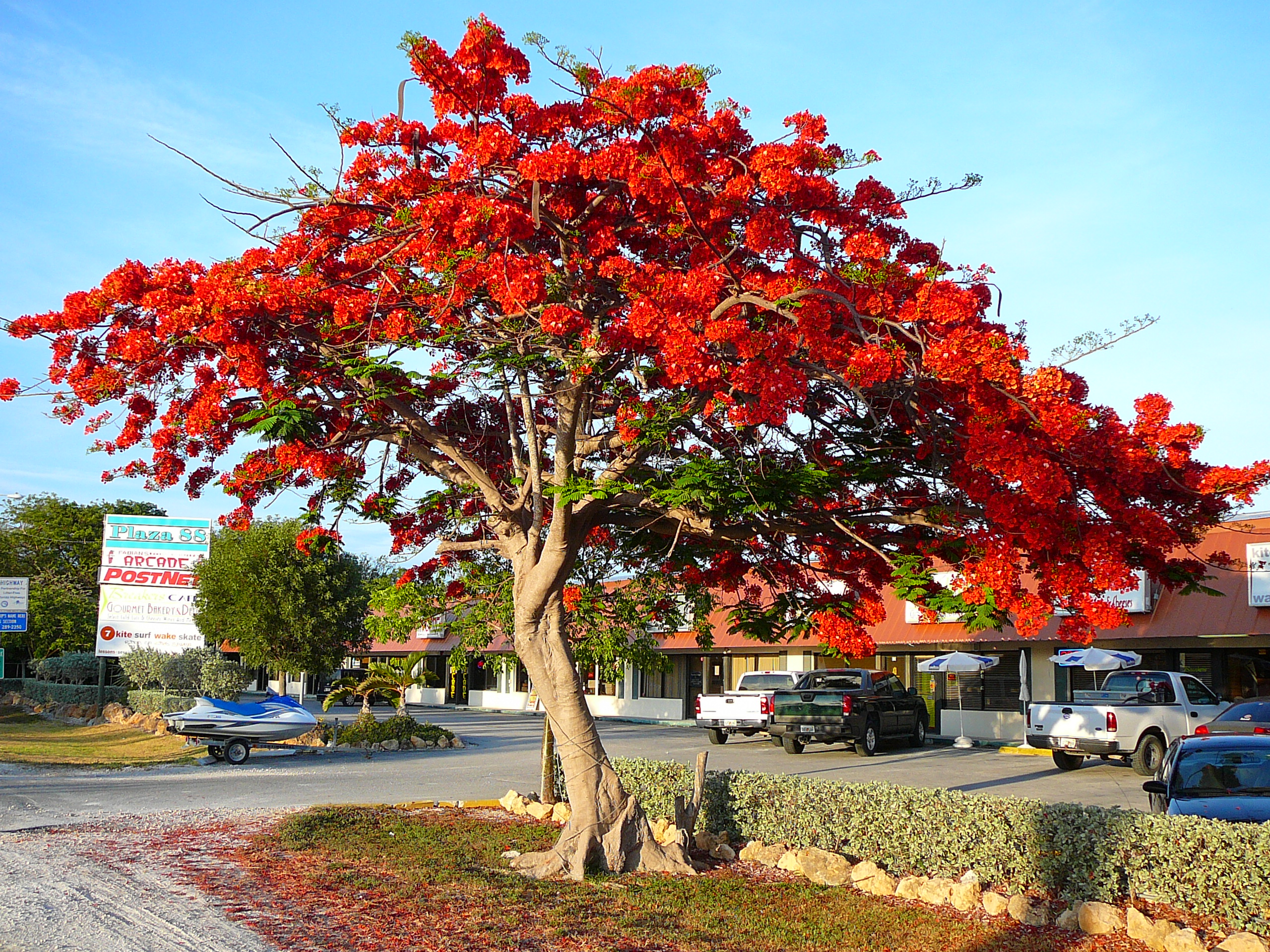
- The Royal Poinciana tree in full orange bloom, set against sky or water
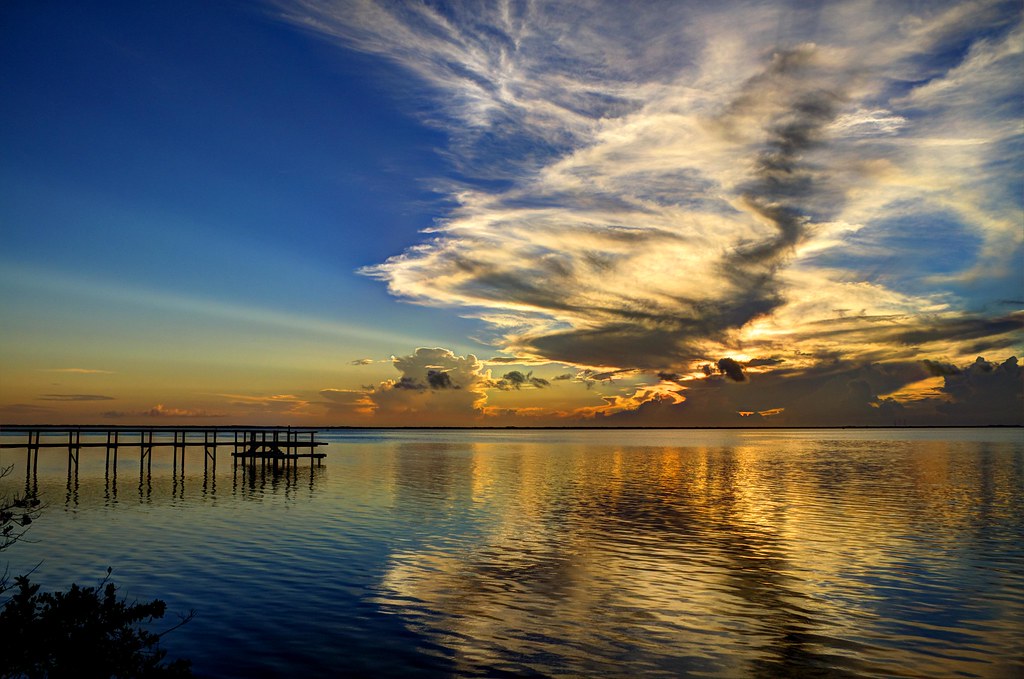
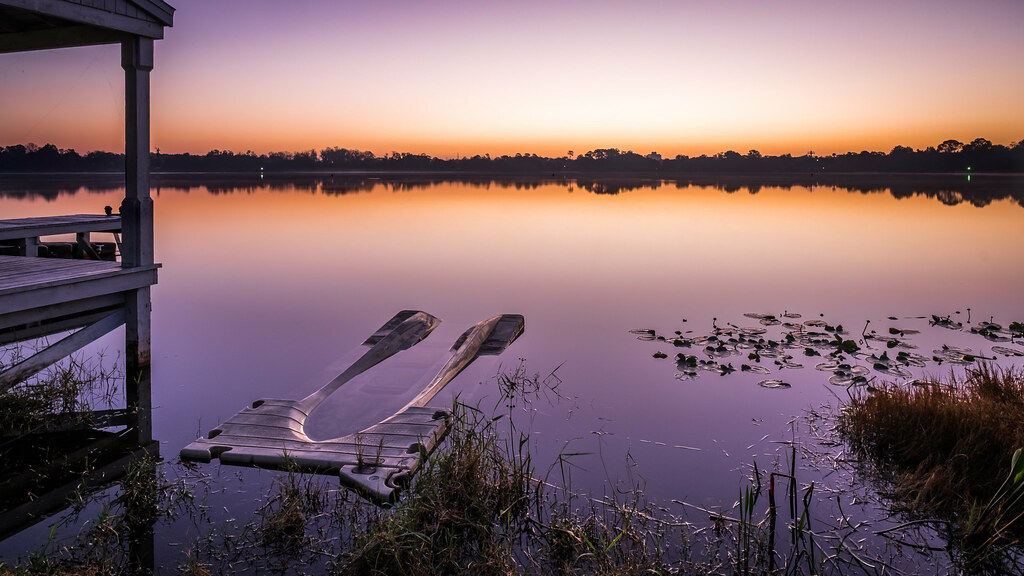
- Indian River Lagoon scenes - flat water, broad sky, low horizon
- Atlantic coast beaches lined with palmettos and palms
- Florida sunsets with exaggerated, burning color
- Hammock interiors and inland marsh scenes
These were not random choices. The Treasure Coast geography the painters grew up with - the lagoon, the coastal tree line, the theatrical skies of a subtropical climate - was their source material. By the time the movement wound down in the early 1980s, significant portions of the landscapes they had recorded were already gone, replaced by development. That adds a documentary dimension to the work that purely aesthetic analysis misses.
The 26 artists of the Florida Highwaymen created a body of work that is simultaneously a commercial folk tradition and a visual record of a Florida that no longer exists in the same form.
For Southwest Florida collectors, this landscape connection is immediate. The Royal Poinciana trees that glow in Highwaymen canvases bloom the same way in Fort Myers and Naples neighborhoods. The flat coastal water and wide-horizon sunsets of the Treasure Coast are visual relatives of Charlotte Harbor and the Ten Thousand Islands. Collectors who live in SWFL tend to recognize these paintings not as documents of somewhere else but as extensions of their own daily environment.
Key Artists to Know
Harold Newton
Newton is consistently described by peers and scholars as the group's finest technical painter - "the master," in the words of those who worked alongside him. His color sensibility and controlled brushwork place his best work in a different category from much of the group's output, and his canvas paintings in particular trade at the top of the Highwaymen market. The finest documented examples have sold at major auction for amounts that put them in serious fine art territory. If you are building a Highwaymen collection with a limited budget, a confirmed Newton is likely a stronger long-term holding than several works by less prominent members.
Alfred Hair
Hair's death at 29 limits the supply of his work and gives it a specific arc - all his paintings come from a roughly 15-year production window. The best examples show the energy of a painter who was simultaneously an organizer and entrepreneur. His work carries the movement's founding narrative, which matters in a market where story and scarcity reinforce price.
Mary Ann Carroll
Carroll (1940-2019) is the movement's only woman and one of its most compelling individual figures. At 16, she watched Harold Newton painting along the side of a road in the Fort Pierce area and decided to take it up herself. By 18, she was traveling Florida highways alone, selling her work - a significant act of determination for a Black woman in the Jim Crow South, where the dangers of solo highway travel were not abstract. In 2011, she presented one of her paintings to Michelle Obama at the First Lady's Luncheon in Washington, D.C. Her work is undervalued relative to her place in the group's history, and serious collectors are beginning to close that gap.
Living Members Versus Estate Work
A distinction most buyer guides skip: some of the original 26 are still alive and still producing. Buying from a living Highwayman directly - or through a gallery with a verified relationship to a specific artist - gives you a provenance chain that simply does not exist for historic pieces sold through estates. For buyers to whom documentation matters for resale or insurance purposes, seeking out current work from living members is a legitimate strategy, not a fallback position.
Why Their Work Resonates in Southwest Florida
The Highwaymen's commercial reach during their active years extended well beyond the Treasure Coast. They drove and sold across the state, which means Highwaymen paintings have been sitting on SWFL walls since the 1960s - in estate sales, storage units, and attics, surfacing steadily as those households turn over.
Southwest Florida also has an established collector culture for Florida-specific subject matter: wildlife, coastal landscapes, native botanicals. The Highwaymen fit naturally into that collecting sensibility while offering something most Florida landscape painters do not - a documented social history that makes the work significant beyond its visual appeal.
The Southwest Florida Museum of History in Fort Myers gave the movement direct regional institutional recognition when it hosted "Sons of the Sun: The Highwaymen," an exhibition drawn from private collections. For SWFL collectors who may have been aware of the Highwaymen in passing, that show provided the context that serious collecting requires. Regional museum exhibitions also have a practical effect on local prices: they educate buyers and increase competition for the best pieces.
Where to Find Highwaymen Paintings in and Near the Region Today
The search for authentic work in Southwest Florida runs through several channels, each with different trade-offs:
- Estate sales and estate services: Given how informally the paintings were originally sold, they surface regularly through estate liquidations. Prestige Estate Services, operating in Southwest Florida, has documented experience appraising Highwaymen paintings and is one regional specialist worth contacting before any major estate purchase involving these works.
- Auction houses, regional and national: Highwaymen work appears at auction on a regular basis. Online platforms such as LiveAuctioneers and Invaluable aggregate listings from regional houses across Florida. Set alerts for "Florida Highwaymen" - significant works move quickly and without much notice.
- Galleries with Florida specializations: A small number of Florida galleries actively handle Highwaymen work. Verify any gallery's specific track record with this body of work before purchasing; not every gallery that handles Florida art has the depth to authenticate Highwaymen paintings correctly.
- The Florida Highwaymen Museum, Fort Pierce: A dedicated museum opened in Fort Pierce in February 2026 during Black History Month - the most significant new institutional resource for the movement in years. The museum is the right first stop for any collector who wants to understand the full range of the group's output before spending money. Fort Pierce is roughly a two-hour drive from Fort Myers.
Buying by Price Tier
The Highwaymen market has a clear tier structure. Understanding it before you shop prevents both overpaying for secondary work and under-budgeting for what you actually want. Check current realized prices at auction databases rather than relying on any static guide; the market has moved consistently upward for two decades and any specific figure in print will be out of date.
| Tier | Artists | Typical Substrate | Market Position | Provenance Challenge |
|---|---|---|---|---|
| Entry to mid-market | Most of the 26 outside the top tier | Upson board or Masonite | Accessible; lower to mid range | Higher - original sales left no paperwork |
| Premium - Hair | Alfred Hair | Upson board primarily | Significantly higher; scarcity drives price | High - limited output, early death |
| Premium - Newton | Harold Newton | Canvas, Masonite, or Upson board (canvas pieces most prized) | Top of market; best examples reach major auction levels | Moderate - canvas pieces easier to distinguish, but Newton used multiple substrates |
| Living members | Surviving original 26 still active | Varies by artist | Mid-market; provenance advantage | Low - direct purchase from artist or verified dealer |
The entry tier is not a consolation category. Works by Carroll, and by lesser-known members including James Gibson and George Buckner, are genuinely undervalued relative to their historical significance and visual quality. The price gap between these painters and Newton or Hair reflects auction momentum, not a categorical difference in craft. Collectors who study the full group rather than focusing only on the top names will find better value for the same level of effort.
Authentication and Due Diligence
The Highwaymen market has a forgery problem that has grown in proportion to rising values. Misattributed work - pieces by imitators signed with Highwaymen names, or genuine paintings falsely attributed to higher-value members - is common enough that due diligence is not optional for any significant purchase.
What Specialists Examine
- Substrate: Upson board, Masonite, and canvas each have period-specific physical properties that can be examined and, in some cases, dated
- Brushwork: Each artist had distinctive handling; a specialist with deep familiarity with the group can often identify a painter from technique alone, without a signature
- Pigment composition: Paints available in the 1960s and 1970s have a different chemical profile from contemporary materials; lab analysis can identify anachronistic pigments in suspected forgeries
- UV light examination: Reveals restoration, overpainting, and inconsistencies invisible under normal light
- Infrared imaging: Can show underdrawing and earlier paint layers in ways that confirm or contradict claimed attribution
Steps Before You Buy
- Ask the seller for any documentation they have - even informal paperwork, old photographs, or family history about where and when the painting was purchased
- Examine the substrate yourself: genuine Highwaymen Upson board has a specific weight and edge profile that differs from modern pressboard substitutes
- Compare the signature against verified examples available in reference books on the movement and in auction-house catalog photographs
- For any purchase at a meaningful price point, commission an independent appraisal before the transaction closes, not after
- Contact Prestige Estate Services or another SWFL appraiser with documented Highwaymen experience; confirm their specific familiarity with this body of work rather than Florida art generally
Prestige Estate Services specifically notes that many authentic works in the market lack formal provenance because of how informally they were originally sold. Authentication specialists who work with Highwaymen paintings regularly expect this situation and build their analysis around physical and stylistic evidence rather than paper records.
Frequently Asked Questions
Does the price difference between Newton and other group members reflect actual quality, or mainly market momentum?
Both. Newton's technical control and the depth of his best work do set him apart on purely visual grounds - specialists are consistent on this. But auction momentum and collector name-recognition amplify that gap significantly. A strong painting by a less prominent member can be a better object than a weak Newton, and the price difference between the two will not reflect that. Study the full group before assuming the market ranking maps directly onto artistic merit.