Plein air painting is not a style. It is a set of constraints: easel outdoors, subject in front of you, painting made under the same light that falls on the scene. In Southwest Florida, those constraints interact with a subtropical coastal landscape in ways that make this region genuinely different from anywhere else artists choose to work. The light comes off shallow Gulf water at a low angle, the clouds build into structures no northern sky produces, and the season extends year-round in ways that allow a working community - groups, shows, open sessions - that visitors can actually find and enter.
What Plein Air Means in Practice
The phrase comes from the French "en plein air," meaning in the open air. In practice, it means producing a finished or substantially finished painting from direct observation at a specific location during a single outdoor session. No reference photographs taken and used later, no studio color corrections after the fact - or as little of that as possible. The painting carries the specific light conditions, the humidity, and the time pressure of one place at one hour.
Studio work removes those variables in favor of control. Plein air treats them as the subject. A storm building over the Gulf becomes something to paint, not wait out. The shift of water color as cloud shadows cross the bay is a problem to chase. This urgency produces what collectors describe as freshness - a directness of mark and an accuracy of color temperature that studio work can reference but rarely replicate. In a subtropical coastal landscape, these pressures intensify. The light here does not behave like northern light. It scatters differently through humid air, reflects differently off a sandy-bottomed bay, and changes character completely when a summer cumulus opens and closes over the Gulf. Artists who have worked in other regions consistently find that Gulf Coast landscape requires a full recalibration of how they see and mix color.
Why Southwest Florida Draws Outdoor Painters
The primary answer is light. Florida's subtropical convective weather produces massive cumulus formations in summer, and when sunlight breaks through over the Gulf it creates turquoise patches on the water that artists describe as unlike any coastal light found elsewhere in the United States. This is not promotional language - it reflects what happens when tropical sun hits a specific shallow-water environment at a specific angle, and painters who have studied it for decades still find new visual problems in it.
The landscape also offers an unusual concentration of subject variety in close proximity:
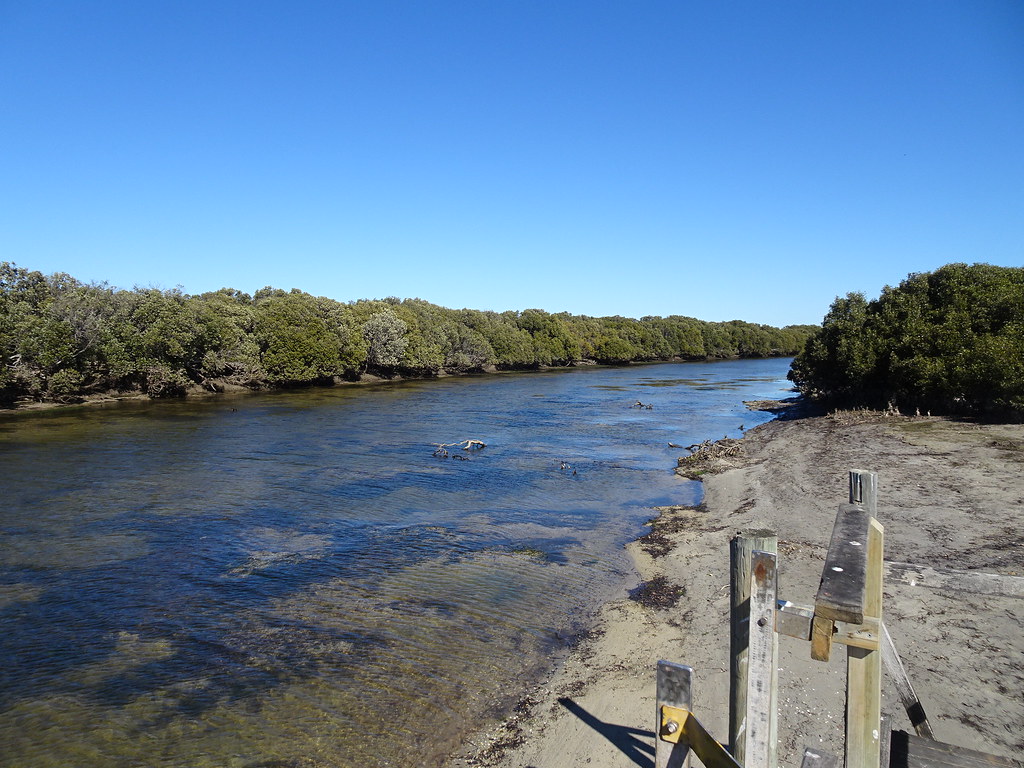
- Mangrove coastlines with dense root systems and the silver, filtered light that moves through the canopy
- Open Gulf beach where the horizon line, wave rhythm, and wet sand reflections change by the hour
- Estuaries and tidal flats where water shifts from green-brown to deep blue depending on depth, cloud cover, and tide
- Working marinas and fishing villages where boats, nets, and weathered structures provide human-scale detail absent in pure landscape
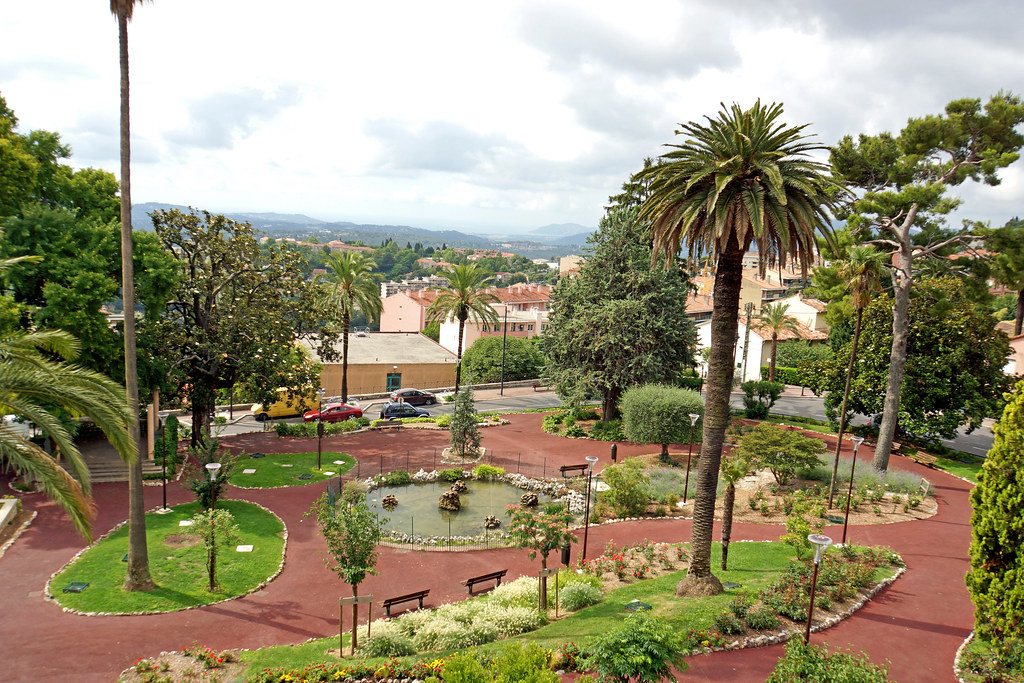
- Botanical density - palms, sea grapes, bougainvillea - that creates problems of saturated color and shadow shape unfamiliar to painters trained in temperate climates
The other draw is calendar. Southwest Florida's mild winter - roughly November through April - allows outdoor painting in conditions that would shut down a session anywhere north of the Carolinas. Groups here paint year-round not because painters are more devoted, but because the climate permits it. That sustained activity builds organizational infrastructure: weekly sessions, monthly shows, annual events that a visitor can actually attend and a traveling artist can join.
The Active Groups
Southwest Florida has more organized plein air activity than most visitors realize, spread across independent organizations with different home bases, formats, and missions. Understanding how they fit together helps both visitors and prospective participants navigate the scene.
Fort Myers Beach Art Association
Founded 75 years ago on the beach itself, the Fort Myers Beach Art Association now operates a gallery in Cypress Square in Fort Myers and runs three juried shows per year alongside monthly exhibits. Separate from those competitive programs, it maintains the region's most accessible open paint-outs: Wednesday mornings from 8:30 to 11:15 a.m. and Saturday mornings, year-round, free and open to any artist regardless of membership status or skill level. No registration required. Sessions rotate through documented locations including Salty Sam's Marina and Bowditch Point Park on Fort Myers Beach, Lighthouse Beach on Sanibel, and Edison Park in Fort Myers.
Gulf Coast Painters of Naples and Bonita Springs
The Gulf Coast Painters serves the southern end of the region. The group collaborates annually with the Southwest Florida Pastel Society on the "Iconic Images of Southwest Florida" exhibition at The COCO Gallery in Naples, typically running through December. That collaboration between an oil-focused painters' group and a pastel society is unusual and reflects the cross-organizational depth of the regional scene.
Southwest Florida Pastel Society
Sandy Jackoboice founded the Southwest Florida Pastel Society in 2001 as a satellite of the Great Lakes Pastel Society; it became fully independent in January 2002 and operates as a nonprofit. It administers the Sam Platt Scholarship for graduating high school seniors, signaling that the organization sees itself as part of the region's arts education infrastructure. Pastel - often treated as secondary in broader art circles - is taken seriously here as a plein air medium. It requires no drying time, packs efficiently, and responds well to the bright, high-key palette that Gulf Coast subjects demand.
Light Chasers
Light Chasers, based in Venice, is among the largest plein air organizations in Florida. Founder and president Terry Mason grew the group from five original members to more than 700 over roughly a decade; it now serves painters across four Gulf Coast counties. The group holds Thursday morning demonstrations by landscape artists throughout the year and has exhibited work at the Edson Keith Mansion at Phillippi Estate Park in Sarasota County. Its scale and multi-county reach make it a connective network for painters who might otherwise work in isolation across a geographically dispersed region.
For a consolidated view of participating organizations, the Art Council of Southwest Florida lists plein air-active member groups including the Fort Myers Beach Art Association, the Southwest Florida Pastel Society, the Gulf Coast Painters of Naples and Bonita Springs, and the Estero Art League. The Plein Air South organization maintains regional resources for outdoor painters across the South, with Southwest Florida groups represented among its members at pleinairsouth.wildapricot.org.
Where Artists Go
Fort Myers Beach and the barrier islands
Salty Sam's Marina and Bowditch Point Park appear regularly on the FMBAA's Wednesday rotation - both offer water access, shade variation, and the boat-and-dock subject matter that has anchored coastal American painting for generations. Lighthouse Beach on Sanibel is quieter and more natural, with the island's characteristic shell-strewn shoreline providing foreground texture that beach painters rarely find elsewhere.
Matlacha
Matlacha - the fishing village on Pine Island Road whose name comes from the Calusa word for "shallow water" - is one of the region's most distinctive plein air destinations. Its bright-painted fishing shacks, narrow drawbridge, and proximity to Matlacha Pass reward multiple visits at different times of day. The village is accessible by car; painters who arrive by kayak across the pass find that the approach itself becomes part of the day's work.
Cayo Costa State Park
For painters willing to make the effort, Cayo Costa - an undeveloped barrier island north of Captiva accessible only by boat or kayak - offers Gulf Coast landscape almost entirely removed from the tourist economy. Fort Myers native Anna Forrest Fischler paints there using actual sea and river water to mix her paints, integrating the literal material of the place into the painting's physical construction. Cayo Costa requires advance planning, is subject to weather cancellations, and has no commercial amenities. That is precisely what makes it a subject worth the trouble.
Naples Botanical Garden
The garden hosts a structured annual event in January, but it also functions as a location individual painters use independently. Its cultivated tropical plantings offer saturated color and dense compositional material - very different from the open-water subjects that dominate most of the region's collective output.
Edison Park and inland Fort Myers
Not all plein air work in Southwest Florida is coastal. The Edison Park neighborhood in Fort Myers appears on the FMBAA Wednesday session calendar as a documented location, a reminder that painters here also respond to historical streetscapes, canopy trees, and residential architecture - the kind of subject matter that doesn't appear in travel brochures but gives a regional art tradition its documentary substance.
The Annual Calendar
- January - Naples Botanical Garden Plein Air Fest: The annual January event brings approximately a dozen Naples Art District artists to paint simultaneously on the garden grounds. Admission is included with regular garden entry, making it accessible to anyone visiting that day. Check the Naples Botanical Garden for the current year's date and details.
- Fall - FMBAA Annual Plein Air Show: The Fort Myers Beach Art Association's fall Plein Air Show concentrates fresh-from-the-field work from participating painters in one exhibition - one of the key buying opportunities for collectors interested in work produced at specific local sites.
- December - Iconic Images of Southwest Florida at COCO Gallery: The joint show by the Gulf Coast Painters and the Southwest Florida Pastel Society runs typically through the end of December at The COCO Gallery in Naples. Submitted work must be at least 80% completed on location in plein air - a specific and enforced requirement that distinguishes this show from open exhibitions that accept studio-finished work calling itself plein air.
- Year-round - Light Chasers Thursday demonstrations: Landscape demonstrations run on Thursday mornings throughout the year, providing a recurring calendar anchor for painters in the northern part of the region.
- Year-round - FMBAA Wednesday and Saturday paint-outs: The most consistently accessible open sessions in the region, running regardless of tourist season or weather windows.
The Seasonal Logic
Southwest Florida's plein air season has an internal logic that visitors often misread. The productive window is roughly November through April - not because artists avoid summer, but because the physical conditions from May through October make sustained outdoor work genuinely difficult.
| Season | Light character | Heat and storm risk | Practical session length |
|---|---|---|---|
| November - April (dry season) | Lower angle, crisp shadows, consistent morning color | Low; afternoon storms uncommon | Sessions can extend toward midday |
| May - June (transition) | Intensifying, high contrast | Rising; afternoon storms beginning | Wrapping before noon advisable |
| July - September (wet season) | Dramatic cumulus formations; turquoise Gulf effects at peak | High; daily afternoon storms likely | Early morning only; canvas damage risk real |
| October | Transitional; softening intensity | Moderate and decreasing | Sessions becoming viable again |
Summer is not dead season - the cumulus formations and turquoise light effects that painters prize most actually peak then. But capturing that light requires strict discipline about timing. Artists working in July typically set up at first light and pack up before the heat reaches its daily intensity. Wind is a year-round concern near the water; lightweight aluminum easels overturn in Gulf-facing locations, and many experienced regional painters use heavier tripod setups or stakes. Mangrove edges at dawn and dusk - among the most visually compelling locations in the region - carry a separate penalty in warm months: mosquitoes. Painters working near mangroves factor in insect protection the same way they account for sun protection and water.
How Visitors Can Find Painters at Work
The most reliable way to encounter working plein air painters is to show up at an FMBAA Wednesday morning session. Locations rotate, so confirm the current week's site through the association before driving out - their gallery or web presence will have it. Then follow this sequence:
- Confirm the current Wednesday location through the Fort Myers Beach Art Association before you go - sites rotate among several documented spots.
- Arrive at or before 8:30 a.m. Painters typically set up early, and the most productive work often happens in the first hour when the light is consistent.
- Stay aware of space around active easels. Artists mid-session are tracking light changes and managing time pressure - an unexpected shadow or conversation interruption matters more than it looks.
- If you want to talk about the work, wait for a natural pause or approach toward the end of the session, around 11 a.m., when painters are beginning to assess finished panels rather than working them.
Beyond the Wednesday sessions, the Light Chasers Thursday morning demonstrations are worth tracking - check their listings for current locations and times. For the most visitor-friendly structured event, the Naples Botanical Garden's annual January Plein Air Fest puts approximately a dozen artists to work simultaneously on the garden grounds, with admission included in regular entry.
Buying Plein Air Work
Plein air work sold at regional shows represents one of the more accessible entry points into collecting original fine art in Southwest Florida. Work at events like the FMBAA fall show and the COCO Gallery's December exhibition spans a range that includes pieces accessible to first-time collectors alongside more significant investments in established artists' output - check current show materials for pricing, since figures reflect the individual artist and current market rather than fixed categories.
For collectors, a few distinctions matter before purchase:
- Field-finished versus studio-touched: Some plein air work is completed entirely outdoors; other pieces are started in the field and refined in the studio. Neither is inherently more or less valuable, but knowing which applies tells you what you are actually collecting. The "Iconic Images" show's 80%-on-location rule is a meaningful guarantee - the majority of the painting's visual decisions were made in response to actual light conditions, not recollection or reference material.
- Medium and condition at point of sale: Oil panels sold at field events may still be drying. Pastel surfaces may be fragile if not yet fixed or framed under glass. Ask before handling or transporting, and confirm how the artist recommends protecting the piece in transit.
- Location documentation and provenance: Plein air work carries inherent documentary value. A panel painted at Cayo Costa in a specific month is a record of a specific landscape at a specific time. Many regional painters title and date work by location; that specificity is worth noting and confirming at the time of purchase.
The 80%-on-location requirement means that the overwhelming majority of visual decisions in each submitted piece - the light, the color temperature, the composition - were made in direct response to the actual landscape, not constructed after the fact. For collectors evaluating authenticity, that is a meaningful standard, and it is enforced at submission.Gulf Coast Painters of Naples and Bonita Springs / Southwest Florida Pastel Society, "Iconic Images of Southwest Florida" show submission guidelines
Notable Artists and the Regional Tradition
The plein air tradition here has more depth than casual visitors encounter. Paul Arsenault has lived and worked in the Naples area since 1974, building a 50-year impressionist record of Gulf Coast light and landscape. His retrospective - "Reflections of South Florida: A 50-Year Art Adventure" - was exhibited at the Marco Island Historical Society through early 2025. His gallery on Third Street South in Naples is one of the few places in the region where a visitor can see that kind of longitudinal record in a single location: how the same landscape looked in different decades, under the same painter's sustained attention.
At the other end of the generational range, Anna Forrest Fischler is pushing against what outdoor painting produces as a final object. A Fort Myers native who studied illustration at Rhode Island School of Design, she paints at Cayo Costa using actual sea and river water to mix her paints - embedding the literal material of the place in the painting's physical construction. Some finished canvases are then cut and rearranged into geometric patterns drawn from her textile coursework, converting the plein air panel from an end product into a starting point for structural experimentation. The connection to place is still there; the form it takes is entirely her own.
Between those poles, the regional organizational infrastructure - the FMBAA's 75-year history, the Light Chasers' network of more than 700 painters, the Pastel Society's scholarship program - sustains working artists at every stage. The Wednesday sessions, the December shows, the Thursday demonstrations: these are not amenities designed around tourism. They are the working calendar of a regional art community that happens to operate in one of the most visually compelling coastal landscapes in the country.
Frequently Asked Questions
Do I need to be a member to join an FMBAA paint-out?
No. The Fort Myers Beach Art Association's Wednesday and Saturday paint-out sessions are free and open to any artist, regardless of membership status or experience level. Wednesday sessions run from 8:30 to 11:15 a.m. year-round. Confirm the current week's location through the association before going, since sites rotate.
What exactly is the 80% plein air rule, and why does it matter for buyers?
The "Iconic Images of Southwest Florida" show at COCO Gallery requires that all submitted work be at least 80% completed on location in plein air. This means the core visual decisions - light, color, composition - were made in direct response to the actual landscape rather than photographs or memory. For collectors, it is one of the few show-level guarantees of on-site authenticity available in the region.
When is the best time to visit if I want to watch or join painters working outdoors?
The November through April dry season is the most active period, with cooler mornings, longer usable sessions, and more group activity. January is particularly concentrated, with the Naples Botanical Garden Plein Air Fest anchoring the month. Year-round Wednesday FMBAA paint-outs mean there is always something happening, but summer sessions are short and weather-dependent.
How do I reach Cayo Costa to see painters working there?
Cayo Costa State Park has no road access - arrival is by boat or kayak only. Ferry service operates from Pine Island; kayakers can cross from the mainland with appropriate planning and conditions. The island has no commercial amenities, so anyone visiting needs to be self-sufficient. Check Florida State Parks for current ferry schedules and access information before planning a trip.
How do I connect with Light Chasers if I want to attend a demonstration?
Light Chasers is based in Venice and holds Thursday morning demonstrations throughout the year across four Gulf Coast counties. Event listings and membership information are findable through standard web searches or through the Plein Air South regional network at pleinairsouth.wildapricot.org, which lists Southwest Florida member organizations.
How do I know whether a plein air piece I am considering was actually painted on-site?
Ask the artist directly whether the work was completed in the field or finished in the studio - most regional plein air painters are specific about this. Work sold at shows with an enforced on-location rule, like the December "Iconic Images" exhibition, carries an organizational guarantee. Location and date information recorded in the title or on the back of the panel adds further documentation worth noting before you buy.